Today, all three major parts of Kurdistan urgently need humane attention and international accountability.
The world has a habit of forgetting the Kurds — until catastrophe strikes. Even the most progressive movements, governments and institutions that speak eloquently about human rights often fall silent when Kurds demand the most basic of them: dignity, safety, political recognition and the right to exist without fear. Kurds are noticed only when they are facing yet another atrocity, another mass displacement, another erasure.
Today, all three major parts of Kurdistan urgently need humane attention and international accountability.
In Northern Kurdistan, under Turkish control, a historic moment is unfolding — and stalling. The Kurdistan Workers’ Party (PKK), which has been designated a terrorist organization despite posing no threat to any Western governments, has laid down its arms after four decades of conflict with the Turkish state. This decision marked the potential beginning of a genuine peace process. In return, Turkey was expected to recognize Kurdish political and cultural rights and to end systematic assimilation policies.
Yet the talks between the Turkish government and the imprisoned PKK leader Abdullah Öcalan remain opaque. No details have been shared publicly. Kurdish rights remain in limbo. Meanwhile, human rights organizations and Western governments — so vocal elsewhere — have failed to ask the most basic question: why has this historic opportunity been stalled, and at whose expense?
In Western Kurdistan (Rojava), the situation is even more dire. Rojava has represented one of the most compelling democratic experiments of our time: local governance by the people, of the people and for the people. Kurdish forces — largely civilians, alongside other Kurdish and non-Kurdish communities — took up arms with U.S. support to defeat ISIS, the most brutal terrorist organization of the 21st century. More than 15,000 lives were lost; thousands more were wounded or permanently disabled.
The victory in Kobane is commemorated worldwide every Nov. 1, yet the people who made that victory possible are now being abandoned.
Since then, the Syrian Democratic Forces (SDF), led by Kurds, have continued working with the United States to prevent the resurgence of ISIS, protect religious minorities such as the Yezidis and maintain stability along Syria’s northern border. Crucially, Rojava has never demanded secession. Kurds have advocated instead for a decentralized Syrian state that guarantees dignity and safety for all communities—Kurds, Arabs, Yezidis, Druze, Turkmen and others.
That fragile stability began to collapse when the West rushed to legitimize a temporary leadership in Damascus under Ahmad al-Sharaa (formerly known as Jolani). Initially, Kurdish leaders approached the new government with cautious optimism, offering cooperation to safeguard Syria’s sovereignty and protect civilians. When SDF leadership traveled to Damascus for talks, hope briefly surfaced.
Then came betrayal.
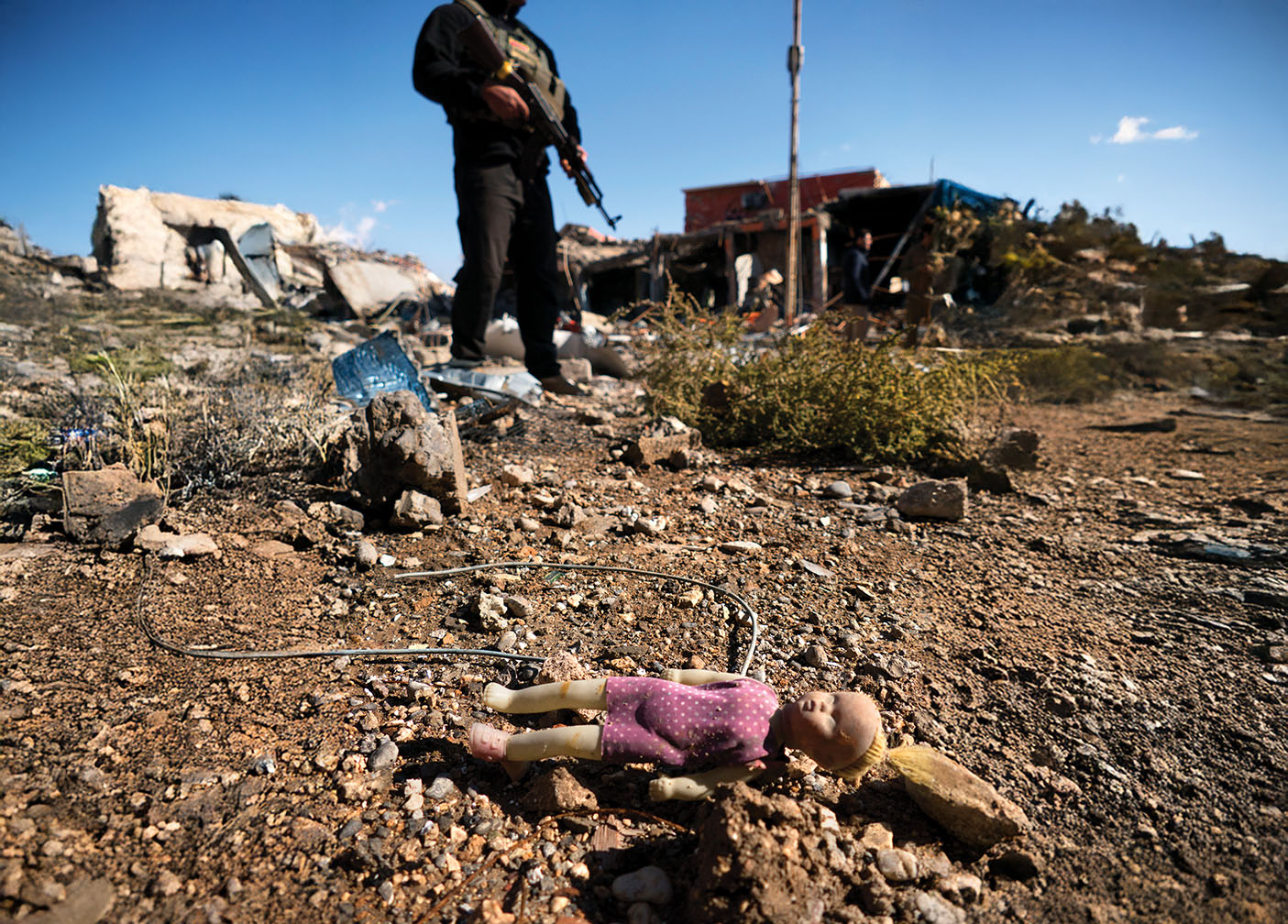
In early 2026, Syrian government-backed militias launched brutal attacks on Kurdish, Yezidi and Druze neighborhoods in Aleppo under the pretext of “eliminating Kurdish forces” — the very forces that defeated ISIS. Civilians were killed. Women and children were displaced in the dead of winter. Videos circulated of militia members torturing Kurdish civilians, throwing people from buildings and posing for selfies.
And how did the world respond?
By calling for “restraint on both sides.”
Once again, Kurds are asked to justify why they are defending themselves. Once again, the West refuses to acknowledge its own misjudgments in empowering leaders who have neither credibility nor commitment to pluralism.
In Eastern Kurdistan (Rojhelat), under Iranian rule, the situation is no less complex or alarming. While the Iranian regime represses women, minorities and dissenters across the country, Kurds and Baluchis have been among its primary targets. Executions, mass surveillance, militarized cities and cultural repression are routine. Kurdish resistance is criminalized with particular brutality.
As discussions of regime change in Iran intensify, Kurds are once again left asking: what comes next for us? A restored monarchy that may please Western interests and loosen dress codes for women — but continue to treat Kurds as internal enemies? The West may celebrate cosmetic reforms, but Kurdish history teaches us to ask deeper questions about power, rights and exclusion.
Nothing in Kurdistan is black and white. Kurds do not ask for blind sympathy or simplistic narratives. We ask for consistency. We ask why Kurdish lives are treated as expendable bargaining chips. We ask why international law, human rights frameworks and progressive values seem optional when Kurds are the ones demanding them.
The world must stop seeing Kurds only as useful fighters against terrorism — or as tragic victims when massacres occur. Kurds are a people with political agency, cultural depth and a long history of contributing to global civilization.
We do not need to be dying to deserve attention.